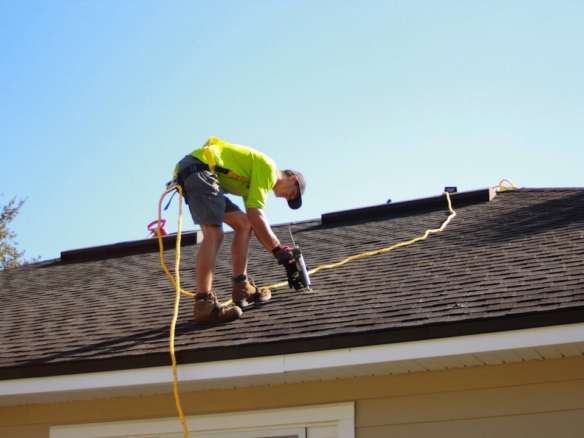

Can you get homeowners insurance on an older Dunedin home? Yes, in many cases you can. However, the home’s age alone does not decide the answer. Insurance companies may look closely at the roof, electrical system, plumbing, heating and cooling equipment, current condition, replacement cost, wind-mitigation features, claims history, and location before offering coverage.
For example, Dunedin has many homes with character, mature landscaping, and established neighborhoods. Meanwhile, some are several decades old and have been carefully updated. However, others may still have original systems. Therefore, buyers should treat insurance as part of the property review—not as a task to leave until the final days before closing.
Homeowners Insurance on an Older Dunedin Home: Start Early
First, contact a licensed insurance professional as soon as you are seriously considering a property. Next, give the agent the exact address, expected closing date, occupancy plans, and available information about the roof and major systems. Then ask what documents or inspections the carrier needs for a firm quote.
Also, do not assume the seller’s current premium will become your premium. For example, coverage limits, deductibles, carrier rules, discounts, claims history, and the buyer’s selected policy can all differ. In addition, the seller may have owned the home for years under a policy that is not available to a new buyer.
What Parts of an Older Home May Be Reviewed?
However, insurance underwriting varies by company. Still, these items commonly deserve early attention:
- Roof: installation date, material, condition, permits, repairs, leaks, and estimated remaining useful life.
- Electrical: panel type, wiring type, condition, amperage, and evidence of unsafe or unpermitted work.
- Plumbing: supply and drain materials, water heater age, active leaks, past leaks, and visible deterioration.
- HVAC: age, condition, service history, and whether the system operates properly.
- Wind protection: roof-to-wall attachment, roof shape, opening protection, and other documented mitigation features.
- General condition: unrepaired damage, exterior hazards, structural concerns, and maintenance issues.
For example, Citizens Property Insurance states that it requires a four-point inspection for new applications on properties more than 20 years old. That inspection reviews the roof, electrical, plumbing, and HVAC systems. Other carriers may use different requirements, so buyers should confirm the rules for the specific quote.
A Four-Point Inspection Is Not a Full Home Inspection
Meanwhile, a four-point inspection is designed mainly for insurance underwriting. It focuses on four major systems and usually uses a carrier-approved form. By comparison, a standard home inspection is broader and is intended to help the buyer understand the overall condition of the property.
As a result, one should not automatically replace the other. A buyer may need a four-point report for insurance and a separate general inspection for purchase due diligence. Depending on the home, additional evaluations may also be wise. My guide to home inspections before buying in Dunedin explains how to build a property-specific inspection plan.
What Does Florida Law Say About Roof Age?
In addition, Florida law provides some protection against decisions based only on roof age. Under the current version of Florida Statute 627.7011, an insurer may not refuse to issue or renew a homeowners policy solely because a roof is less than 15 years old.
For a roof that is at least 15 years old, the law says the insurer must allow the homeowner to obtain an inspection by an authorized inspector before requiring roof replacement as a condition of issuing or renewing coverage. If that inspection shows at least five years of useful life remaining, the insurer may not refuse coverage solely because of roof age.
However, this does not guarantee that every property will qualify with every carrier. The statute also preserves lawful underwriting decisions for other reasons. Therefore, condition, damage, construction details, documentation, and other eligibility rules still matter. Buyers should rely on the carrier’s written decision and advice from licensed insurance professionals rather than a general rule of thumb.
Citizens Has Additional Published Roof Guidance
For example, Citizens currently states that certain older roofs require documentation showing at least five years of remaining useful life. Its published thresholds are more than 25 years for “soft” roofs such as shingle and more than 50 years for “hard” roofs such as tile, slate, clay, concrete, or metal.
That guidance applies to Citizens and should not be treated as a promise from every private carrier. Still, it shows why roof permits, invoices, inspection reports, and repair records can make a real difference when a buyer requests coverage.
Wind-Mitigation Features May Matter
Also, older does not always mean less resilient. An established Dunedin home may have a newer roof, updated roof-to-wall connections, hurricane-rated openings, shutters, or other improvements. A wind-mitigation inspection can document qualifying features for the insurer.
Citizens notes that approved wind-mitigation features may qualify for premium discounts. However, the inspection must accurately document what is present. Therefore, ask for existing reports, permits, invoices, and product approvals, then let the insurance professional confirm which credits apply.
Flood Insurance Is a Separate Question
Finally, homeowners insurance and flood insurance are not the same. Standard homeowners coverage generally does not cover damage caused by flooding. In a coastal community such as Dunedin, buyers should check the current FEMA flood map, ask whether the lender will require flood insurance, and obtain a separate property-specific quote when appropriate.
Also, do not confuse a FEMA flood zone with a hurricane evacuation zone. They serve different purposes. For more background, read the Bush Team Homes guide to Dunedin flood risk for home buyers.
Documents to Request Before You Make a Final Decision
First, ask the seller for available roof permits, paid invoices, warranties, wind-mitigation reports, four-point reports, and records for electrical, plumbing, and HVAC updates. Next, verify permits through the appropriate public records source when possible.
Also, send those documents to the insurance agent instead of assuming they are sufficient. A receipt may show that work was paid for, but the carrier may still need a permit, inspection, photograph, or specific form.
Finally, compare quotes using similar coverage limits and deductibles. The lowest premium may not provide the same protection. Review hurricane deductibles, water-damage limits, roof settlement terms, exclusions, and whether flood coverage is separate.
A Practical Buyer Checklist
- Request insurance quotes during the inspection period.
- Confirm whether a four-point or roof inspection is required.
- Verify the roof’s age, permit history, material, and condition.
- Review electrical, plumbing, HVAC, and water-heater information.
- Ask about wind-mitigation documentation and eligible credits.
- Check flood risk and obtain a separate flood quote when needed.
- Compare deductibles and coverage, not only price.
- Keep enough time in the contract to address insurance concerns.
Insurance is only one part of the budget. The guide to the full cost of owning a home in Dunedin also covers taxes, association fees, utilities, maintenance, and repair reserves.
Let’s Review the Property Before You Commit
I help Dunedin buyers look past the listing photos and ask direct questions about the roof, permits, major systems, flood exposure, association documents, and insurability. I do not sell insurance, but I can help you gather the property information your licensed insurance and inspection professionals need.
Considering an older home in Dunedin? Call Curt Bush at 727-409-0702 or visit BushTeamHomes.com.
Bush Team Homes
2634 St. Josephs Drive W
Dunedin, FL 34698
Phone: 727-409-0702
Website: https://bushteamhomes.com/
Reliable Insurance Resources
This article provides general real-estate information, not insurance or legal advice. Eligibility, premiums, inspections, deductibles, and coverage vary by property and insurer. Consult licensed insurance, inspection, roofing, legal, and lending professionals for property-specific guidance.