Buying a condo in Dunedin, Florida, can be a smart way to enjoy the Gulf Coast lifestyle with less exterior maintenance. However, the best-looking unit is not always the best financial choice. Before you make an offer, review the association’s finances, inspection reports, insurance, rules, flood exposure and any planned repairs—not just the kitchen, view and monthly fee.
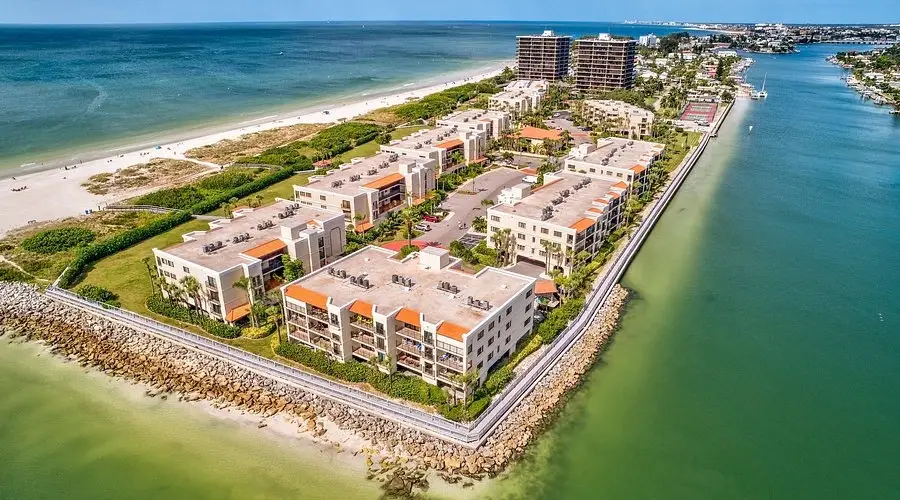
Dunedin offers everything from low-rise communities near downtown to waterfront buildings near St. Joseph Sound. Each community has its own budget, maintenance history and ownership rules. As a result, two similar condos can carry very different long-term costs and risks.
What Should You Check When Buying a Condo in Dunedin, Florida?
1. Calculate the Full Monthly Cost
Start with more than the mortgage payment. Add the association fee, property taxes, homeowners insurance, flood insurance when applicable, utilities and any current special assessment. Next, ask exactly what the monthly fee covers. Some communities include water, cable, internet, building insurance or exterior maintenance, while others cover much less.
Also, do not use the seller’s current property-tax bill as your future estimate. A change in ownership can affect the assessed value and exemptions. Your lender and insurance agent can help you build a more realistic monthly budget before you commit.
2. Read the Budget and Reserve Information
A low condo fee may look attractive, but it can be a warning sign if the association has not saved enough for major repairs. Review the current budget, recent financial statements and reserve information. Ask how much money is available for the roof, structure, plumbing, electrical systems, waterproofing, elevators and other large building components.
Then compare the reserve balance with the work the property may need. Strong reserves do not guarantee that assessments will never happen. However, limited reserves combined with an aging building can create a greater chance of large owner contributions later.
3. Request the Milestone Inspection and SIRS
For qualifying Florida condominium buildings, two documents have become especially important: the milestone inspection and the Structural Integrity Reserve Study, often called the SIRS.
A milestone inspection focuses on the building’s structural condition. A SIRS estimates the money needed for future repair or replacement of important building components. Florida’s Department of Business and Professional Regulation explains both requirements. Under current Florida law, the SIRS requirement generally applies to condominium buildings that are three or more habitable stories, although every property should be checked individually.
If a report is required, ask for the complete available document—not only a verbal summary. Look for recommended repairs, estimated costs, deadlines and whether the association has a plan to fund the work. Because contract rights and disclosure deadlines matter, buyers should also have their real-estate attorney review the applicable documents and contract language.
4. Look for Special Assessments and Planned Projects
Ask whether any special assessments have been approved, discussed or proposed. Also request recent board-meeting minutes. Those minutes may reveal conversations about roofing, concrete restoration, seawalls, elevators, plumbing, insurance deductibles or litigation before the cost appears in the formal budget.
Next, confirm who is responsible for an existing assessment. That obligation can depend on the contract and the association’s rules. It should be addressed clearly during negotiations instead of assumed.
5. Verify Building, Unit and Flood Insurance
The association’s master policy and your personal condo policy protect different things. Ask an insurance professional to review the master policy, deductibles and exclusions. You may still need an HO-6 policy for interior finishes, personal property, liability, loss assessments and other unit-owner risks.
Flood coverage is separate from a standard homeowners policy. Therefore, check the specific building and unit through the FEMA Flood Map Service Center, but do not stop at the map designation. Ask about the building’s flood policy, elevation information, prior flooding and the cost of individual coverage. A property outside a high-risk flood zone can still experience flooding.
6. Read the Rules Before You Fall in Love With the Unit
Condo rules can affect daily life and resale value. Review pet limits, rental restrictions, minimum lease periods, approval procedures, parking, guest rules, renovations and balcony use. If you need a pickup-truck space, kayak storage, an electric-vehicle charger or permission for a future remodel, verify it in writing.
In addition, ask whether the association must approve buyers and how long that process normally takes. Rules can change, so the current governing documents matter more than an old listing description.
7. Confirm That the Condo Can Be Financed
A buyer can qualify for a loan while the condominium project does not. Lenders may review owner occupancy, insurance, reserves, litigation, delinquent dues, assessments and building condition. Speak with a lender who handles Florida condos early, especially for older or waterfront buildings.
If you plan to pay cash, these issues still matter. A future buyer may need financing, and project eligibility can affect your resale options.
8. Inspect the Unit and Understand Maintenance Responsibility
A standard inspection can help identify issues inside the condo, including HVAC condition, moisture, electrical concerns, plumbing leaks, windows and doors. However, you should also learn where the unit owner’s responsibility ends and the association’s begins.
For example, responsibility for windows, balconies, pipes, drywall or water damage can vary by community documents and the cause of the loss. Ask questions before the inspection period expires and get unclear answers reviewed by the right professional.
9. Test the Location Against Your Real Routine
Finally, think about how you will use the property. Drive the route to downtown Dunedin, the Causeway, Honeymoon Island, the Pinellas Trail, shopping and medical services. Visit at different times of day. For waterfront properties, verify parking, guest access, storm preparation, elevator reliability, kayak or boat rules and evacuation considerations.
You can explore more local information on the Bush Team Homes Dunedin page, review guidance for buying a home in the area, or browse the Dunedin waterfront communities guide.
The Bottom Line for Dunedin Condo Buyers
A condo can be a great fit when the location, lifestyle and true ownership costs line up. The key is to investigate both the unit and the association. Before making an offer, confirm the full monthly cost, study the budget and reserves, request applicable inspection reports, review insurance and flood exposure, and read the rules carefully.
If you are considering a Dunedin condo, I can help you compare communities, organize the questions to ask and spot the documents that deserve closer review before you move forward.
Curt Bush | Bush Team Homes
2634 St. Josephs Drive W
Dunedin, FL 34698
727-409-0702
https://bushteamhomes.com/
This article is general real-estate information, not legal, engineering, insurance, tax or financial advice. Requirements and property conditions vary. Consult the appropriate licensed professionals for advice about a specific condominium.