
Treasure Island attracts a very specific kind of buyer – someone who wants the Gulf close, the pace a little slower, and a home that feels like a lifestyle decision as much as a financial one. If you are searching for beach homes for sale Treasure Island buyers actually compete for, it helps to look past the photos first and understand what drives value here.
This is not a market where every beach property should be treated the same. Two homes can sit within blocks of each other and have very different risk profiles, rental potential, insurance costs, and long-term resale appeal. That is why buyers tend to do better when they start with the right questions, not just the right budget.
What makes beach homes for sale in Treasure Island different
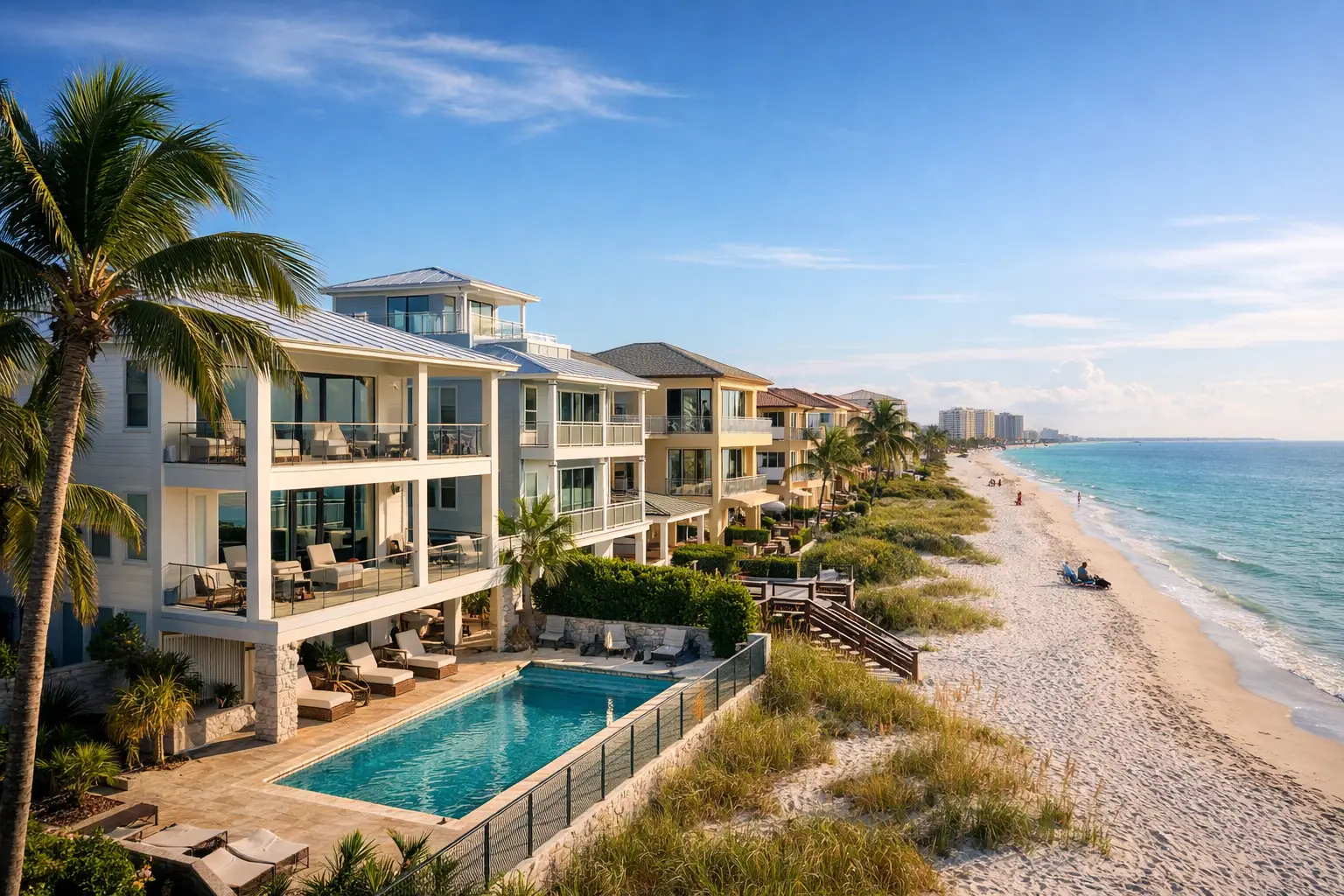
Treasure Island sits along the Pinellas Gulf Coast and offers a mix of classic beach cottages, elevated newer construction, waterfront homes on canals or open water, condos, and luxury properties near the sand. For many buyers, that variety is part of the appeal. You can find a primary residence, a second home, or an investment-minded property without leaving the area.
But variety also means trade-offs. A home directly on the beach may deliver the view and walkability you want, yet come with higher exposure to wind, salt, flood requirements, and insurance premiums. A property a little farther inland may not give you the same immediate Gulf frontage, but it can offer better parking, more flexible floor plans, and in some cases a more manageable monthly ownership cost.
Treasure Island also has a different feel than some other Gulf Coast communities. Buyers are often drawn to its laid-back character, access to restaurants and shops, boating options, and proximity to St. Petersburg. That combination matters because resale is rarely just about square footage. It is about how a future buyer will experience the location.
How buyers should think about value in Treasure Island
Price per square foot gets attention, but it does not tell the whole story with beach homes. In Treasure Island, value often comes down to five practical factors: location relative to the beach, water access, condition, elevation, and legal use.
Location is not just about distance to sand. Some buyers want quiet residential streets. Others want to walk to dining and entertainment. Both preferences are valid, but they attract different resale audiences. A home near the activity may be more convenient for a second-home buyer, while a tucked-away property may appeal more to an owner-occupant seeking a calmer setting.
Condition matters more than many out-of-area buyers expect. Coastal homes take wear differently. Salt air, storms, sun exposure, and moisture can accelerate maintenance issues, even in attractive properties. A home that looks updated online can still have older windows, roof concerns, drainage problems, or deferred exterior maintenance that will affect your actual ownership cost.
Elevation is another major piece of the puzzle. In a beach market, whether a home is elevated, substantially renovated, or subject to current flood-related requirements can affect both financing and insurance. Sometimes a lower purchase price comes with a more expensive ownership picture after closing.
Then there is legal use. This is especially important for second-home shoppers and investors. If you are counting on future rental income, you need to know what is allowed, what restrictions apply, and whether the property truly fits your intended use. Assumptions can get expensive quickly.
The neighborhoods and property styles buyers ask about most
Treasure Island is not one-note. Some buyers focus on beachfront opportunities with strong lifestyle appeal. Others want intracoastal waterfront homes with docks, boat lifts, and easier boating access. There are also neighborhoods where older homes sit on valuable lots, creating opportunities for renovation, rebuilding, or holding long term.
Beachfront and near-beach homes tend to attract buyers who prioritize walkability and the everyday experience of living near the Gulf. These properties often command a premium because they are buying both location and scarcity. The trade-off is that competition can be sharper, and insurance and maintenance need closer review.
Waterfront homes on canals or open water serve a different buyer. Boaters often value dock setup, bridge clearance, water depth, and direction of access as much as the house itself. A beautiful home with less functional boating access may not carry the same appeal as a slightly less polished property with a stronger marine setup.
Older cottages and redevelopment candidates can be attractive too, especially for buyers who think long term. In the right location, the lot can be the real asset. Still, this path is not for everyone. Renovation budgets in coastal markets can stretch fast, and timelines often run longer than expected.
What to check before making an offer
When buyers move quickly on beach homes for sale Treasure Island offers, they usually do best when they slow down long enough to verify the details that affect ownership after closing.
Insurance should be part of the conversation early, not after contract. Wind coverage, flood insurance, prior claims history, roof age, and construction type all matter. A home can fit your purchase budget and still miss your monthly comfort zone once insurance is fully quoted.
The inspection process also deserves extra care in coastal properties. Beyond the standard inspection items, buyers should pay close attention to roof life, HVAC age and exposure, seawall condition if applicable, signs of moisture intrusion, windows and doors, and any evidence of past storm impact. For waterfront homes, dock and lift condition can be just as important as the interior finishes.
If the home is part of an association, review the rules closely. Buyers sometimes focus on dues and miss the bigger issue – whether the association aligns with how they plan to use the property. Rental restrictions, pet rules, parking limitations, and reserve health can all shape the decision.
For furnished or income-producing properties, it also helps to separate lifestyle appeal from true investment performance. Strong occupancy history can be a plus, but you still want to review seasonality, carrying costs, management demands, and the reality that rental-friendly beach properties can see heavier wear.
Is now a good time to buy in Treasure Island?
That depends on your goal.
If you are buying for primary residence use or a long-term second home, timing the perfect bottom is usually less important than buying the right property with the right structure and a payment you can comfortably carry. In a market like Treasure Island, the best-located homes do not always wait for ideal headlines.
If you are more investment-focused, the math needs to be tighter. Purchase price, insurance, taxes, maintenance, and expected rental performance all need to work together. A property can look compelling in peak season and still underperform your expectations on an annual basis.
Market conditions also shift by property type. A renovated waterfront home, a tear-down lot, and a move-in-ready near-beach house may not move at the same pace or face the same buyer competition. That is why broad market averages only help so much. The real question is what is happening in the specific slice of Treasure Island you want to buy into.
Why local guidance matters more at the beach
Beach markets reward local knowledge. The details that matter most are often the ones a generic search portal cannot explain well – street-to-street desirability, flood exposure differences, parking realities, redevelopment patterns, seasonal traffic, and how a location feels at different times of day.
For out-of-area buyers especially, that local context can prevent expensive mistakes. A home may appear ideal online but sit in a spot that does not fit your lifestyle, your boating needs, or your expectations for privacy and access. On the other hand, a property that gets overlooked in photos may turn out to be the smarter long-term buy because of elevation, layout, lot quality, or quieter positioning.
That is where a hands-on local advisor can make the search more efficient. At Bush Team Homes, the goal is not simply to open doors. It is to help buyers compare options clearly, understand trade-offs, and move forward with confidence when the right fit appears.
Treasure Island continues to draw buyers because it offers something hard to duplicate – a real beach-town setting with year-round livability, strong lifestyle value, and a range of ownership options. If you keep your focus on the full ownership picture, not just the listing photos, the right home tends to stand out for the right reasons.
