
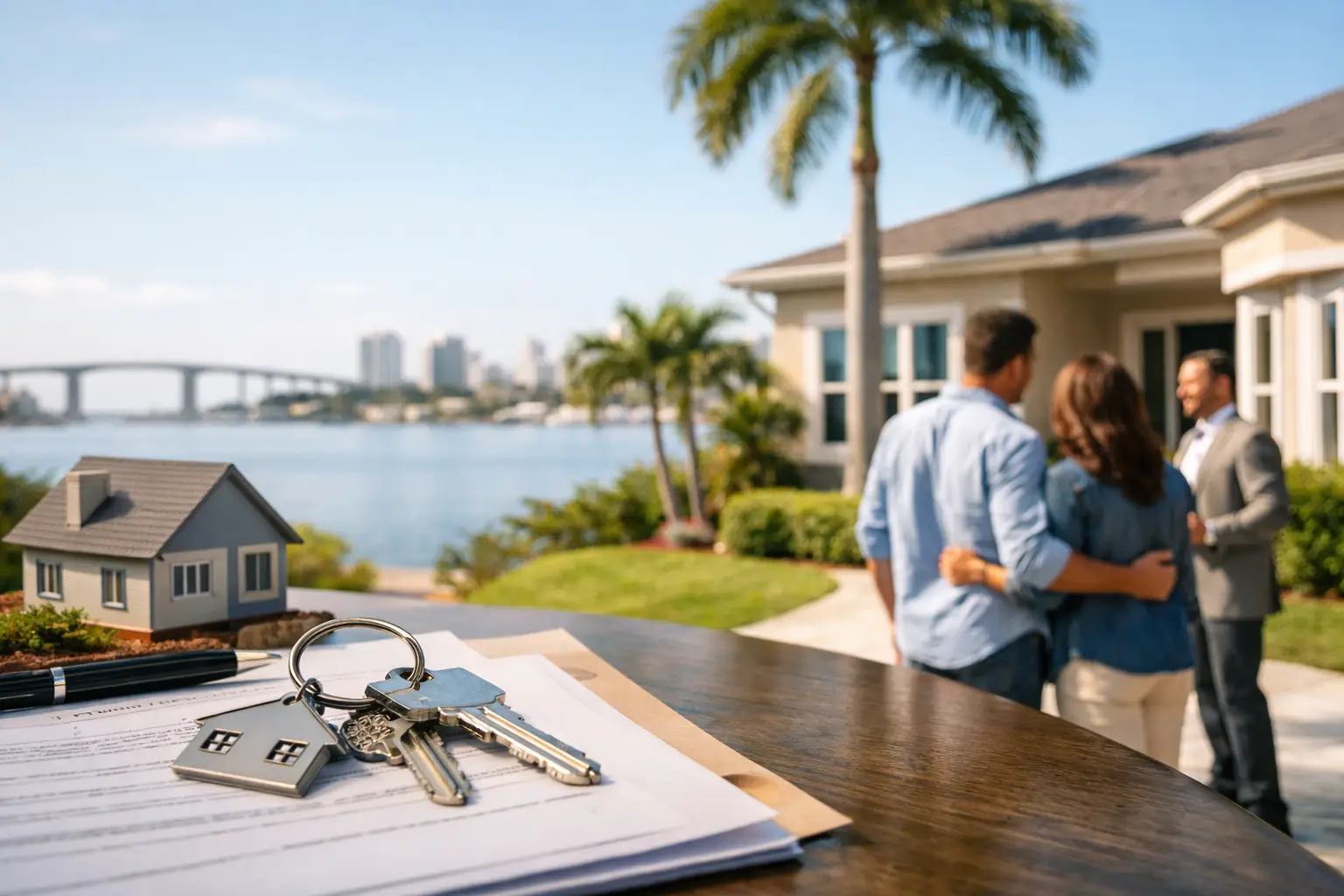
A three-bedroom in Palm Harbor, a condo near downtown St. Petersburg, a bungalow in Dunedin, a waterfront home in Clearwater – buying here is not one market decision. It is a series of local decisions that affect your budget, commute, insurance costs, and long-term value. If you are figuring out how to buy a home in Pinellas County, the smartest first step is understanding that each area plays by slightly different rules.
How to buy a home in Pinellas County without getting overwhelmed
Pinellas County offers a lot in a relatively compact area. That is part of the appeal, but it also creates a market where prices, property types, flood considerations, and competition can shift quickly from one neighborhood to the next. A buyer looking in Tarpon Springs will face different trade-offs than someone shopping in Madeira Beach or Oldsmar.
That is why the process works best when you start with clarity instead of urgency. Before touring homes, get specific about what matters most. Some buyers need top-rated schools and a larger lot. Others want walkability, lower maintenance, or a shorter drive to Tampa. Investors may care more about rental demand, HOA rules, and cash flow potential. When you know your non-negotiables, you avoid wasting time on homes that look good online but do not fit your real-life goals.
Start with your buying power, not just your target price
Many buyers begin with a price range they saw on a listing site. That is understandable, but in Pinellas County, the monthly cost matters as much as the purchase price. Property taxes, homeowners insurance, flood insurance, HOA fees, and maintenance can vary enough to change what feels affordable.
Getting pre-approved early helps you understand your financing options and gives you credibility when it is time to make an offer. It also helps you compare loan structures, down payment scenarios, and monthly payment ranges before emotions get involved. A pre-approval is not just a box to check. It is a practical tool that keeps your search grounded.
If you are buying near the water or in a flood zone, build those insurance conversations into your planning from the beginning. Two homes with similar prices can have very different total ownership costs. This is especially true for coastal and low-lying areas where elevation, wind mitigation features, and flood zone designation matter.
Choose the right part of Pinellas County for your lifestyle
Pinellas County attracts a wide mix of buyers because it offers beach communities, historic downtown areas, suburban neighborhoods, golf course communities, and condo living all within reach of each other. The challenge is narrowing the map.
If you want a lively urban feel, St. Petersburg may be a strong fit, especially for buyers who value restaurants, arts, and an active downtown. If you prefer a charming small-town atmosphere, Dunedin and Tarpon Springs often appeal to buyers who want character and community identity. Palm Harbor and Lansbrook tend to draw households looking for more suburban layouts, while Clearwater gives buyers a broad range of options from inland neighborhoods to coastal properties.
There is no universally best area. It depends on how you live. A beach condo may sound ideal until you factor in parking, association fees, and storm-related insurance. A larger inland home may offer more space and lower carrying costs, but it may also mean a longer drive to the lifestyle you want. The goal is not to find the perfect city on paper. It is to find the right fit for your daily routine and long-term plans.
Home search strategy matters in a competitive market
Once you know your budget and target areas, your search needs structure. In a market like Pinellas County, homes can move quickly, especially those that are well-priced and in desirable school zones, walkable areas, or coastal locations. Waiting too long to view a strong listing can mean missing it.
At the same time, speed should not replace judgment. A practical home search means balancing responsiveness with discipline. Look at sale prices, not just asking prices. Pay attention to days on market, price reductions, and whether a home has been renovated in ways that truly add value. Fresh paint is nice, but roof age, HVAC condition, windows, plumbing, and electrical updates often matter more.
This is also where local guidance becomes valuable. Online photos rarely tell the full story about traffic patterns, flood exposure, rental restrictions, future resale appeal, or whether one side of a neighborhood feels very different from another. Buyers relocating from out of the area often benefit from seeing communities side by side rather than relying only on search filters.
Making an offer in Pinellas County
When the right home appears, your offer should reflect both the property and the current market conditions. In some situations, an aggressive offer is necessary. In others, there may be room to negotiate on price, repairs, closing costs, or timeline. The key is reading the specific opportunity rather than assuming every home requires the same strategy.
A strong offer is about more than the number. Sellers look at financing strength, inspection periods, appraisal risk, deposit size, and flexibility on closing dates. If a seller needs a fast close or a rent-back period, matching that need can strengthen your position even if you are not the highest bidder.
This is where buyers can get into trouble by focusing only on winning. The best offer is one that gives you a realistic chance to secure the home without exposing you to unnecessary risk. Waiving protections may help in some situations, but it is not always wise. It depends on the property condition, the level of competition, and your comfort with uncertainty.
Inspections, insurance, and the Florida details you cannot ignore
One of the biggest mistakes buyers make is treating inspection and insurance as routine paperwork. In Florida, they are central parts of the decision.
A home inspection should help you understand the true condition of the property, especially major systems and any signs of water intrusion, aging components, or deferred maintenance. For older homes, electrical panels, plumbing materials, roof condition, and window quality deserve extra attention. For condos and townhomes, it is also smart to understand what the association covers and what it does not.
Insurance deserves just as much focus. In Pinellas County, availability and cost can vary based on age, location, roof condition, and flood zone status. A home that looks affordable at first glance may feel very different once the insurance quote comes in. That does not mean you avoid every higher-cost property. It means you evaluate the full picture before you get too far down the road.
Appraisal, closing, and the final stretch
After your offer is accepted, there is still plenty that can affect the outcome. Your lender will move through underwriting, and if you are financing, the property will likely need to appraise at the contract price. If the appraisal comes in low, you may need to renegotiate, bring additional cash, or walk away depending on the contract terms.
During this period, staying organized matters. Respond quickly to lender requests, review timelines carefully, and avoid making major financial changes. Opening new credit accounts, switching jobs, or making large unexplained deposits can create problems at the worst possible moment.
Before closing, do a final walkthrough to confirm the property condition matches expectations and that any agreed-upon repairs were completed. Closing day should not be a surprise. By that point, you want clarity on your funds, your loan terms, your insurance, and what happens next.
How to buy a home in Pinellas County with confidence
Confidence usually does not come from knowing every detail in advance. It comes from having the right process and the right support around you. Buying in Pinellas County involves local variables that buyers from other markets may not expect, especially around neighborhoods, insurance, waterfront considerations, and property condition.
That is why a guided approach tends to work best. Whether you are a first-time buyer, relocating from out of state, searching for a second home, or looking for an investment property, you need more than listing alerts. You need clear advice on where to focus, what to avoid, and when to move.
Bush Team Homes works with buyers across Pinellas County by helping them narrow the search, understand market value, and move through the transaction with fewer surprises. That kind of support matters because the right home is not just the one you can buy. It is the one that still makes sense after the inspection, after the insurance quote, and after you have lived in the neighborhood for a year.
If you approach the process with a realistic budget, a clear sense of priorities, and local guidance that keeps the big picture in view, buying here becomes much more manageable. The market may move quickly, but you do not have to rush your decisions to make a smart one.
